Why Your Septic Tank Fills Up Faster Than Expected
Hibu Websites • April 20, 2026
A septic system is designed to manage all wastewater produced in a home by separating solids from liquids and allowing natural bacterial processes to break down organic material over time. Under normal conditions, the tank collects waste gradually, allowing solids to settle at the bottom, oils and grease to rise to the top, and clearer water to flow out into the drain field. When everything is working efficiently, the system maintains a steady balance that matches household size and water usage.
However, many homeowners notice that their septic tank seems to fill much faster than expected, even when there have been no obvious changes in habits. This is often a sign that the system is under stress or that internal processes are no longer functioning as efficiently as they should. Factors such as water usage, waste composition, and system condition all play a role in how quickly the tank reaches capacity. In these cases, septic pumping may be needed more frequently than expected.
Increasing Household Water Usage Beyond System Limits
One of the most common reasons a septic tank fills faster than expected is increased water usage inside the home. Every time water runs through sinks, showers, washing machines, or dishwashers, it enters the septic system. When this volume increases significantly, the tank has less time to properly separate solids from liquids, which reduces overall efficiency.
Even small lifestyle changes can have a noticeable impact. For example, additional family members, guests staying for extended periods, or new appliances can all increase daily water flow. When too much water enters the system too quickly, it pushes solids through the tank faster than they can naturally settle, leading to reduced capacity over time. Conserving water by spacing out laundry loads, fixing leaks, and using efficient fixtures can help reduce strain on the system and slow down how quickly the tank fills.
Accumulating Solid Waste Faster Than Natural Breakdown
Inside a septic tank, naturally occurring bacteria are responsible for breaking down solid waste. This biological process is essential for keeping the system balanced. However, when more solid waste enters the tank than bacteria can efficiently process, sludge begins to build up more quickly than normal.
Certain household items contribute heavily to this issue. Products like wipes, paper towels, feminine hygiene products, and excessive food waste do not break down easily and remain in the system for long periods. Over time, these materials accumulate at the bottom of the tank, reducing available space and increasing the frequency at which the tank fills. When this buildup becomes excessive, it can also interfere with wastewater flow and reduce the system’s ability to separate solids and liquids properly, leading to faster capacity loss.
Experiencing Drain Field Overload and Soil Saturation
The drain field is a critical part of the septic system, responsible for dispersing treated wastewater into the surrounding soil. When functioning properly, it absorbs liquid waste gradually and filters it naturally. However, if the system is overloaded, the drain field can become saturated and unable to absorb additional liquid. When this happens, septic pumping becomes necessary to physically remove the excess buildup.
Soil conditions play a major role in this process. Heavy rainfall, compacted soil, or high groundwater levels can all reduce absorption efficiency. When the drain field cannot keep up with incoming wastewater, the entire system slows down, causing the tank to retain more liquid and fill more quickly. In some cases, this leads to visible signs such as soggy ground or slow drains inside the home. Addressing drain field strain early is essential to prevent long-term system failure and maintain proper wastewater flow.
Allowing Grease and Non-Biodegradable Materials to Build Up
Household waste often contains substances that are not suitable for septic systems, especially grease, fats, and oils. When poured down drains, these materials cool and solidify inside the tank, forming thick layers that take up valuable space. Over time, this buildup reduces the tank’s effective capacity and accelerates how quickly it fills.
Non-biodegradable items also contribute significantly to the problem. Products such as wipes, cotton materials, and synthetic fibers do not break down naturally and remain in the system for extended periods. These materials accumulate alongside sludge and increase the frequency of maintenance needs. Preventing these substances from entering the system is one of the most effective ways to maintain long-term efficiency and reduce unnecessary strain on the tank.
Skipping Routine Maintenance and Delaying Pumping
Regular maintenance is essential for keeping a septic system functioning properly. Over time, all tanks naturally accumulate sludge and scum that must be removed to maintain available capacity. When maintenance is delayed or ignored, this buildup reduces the space available for new wastewater, causing the tank to fill much faster than expected.
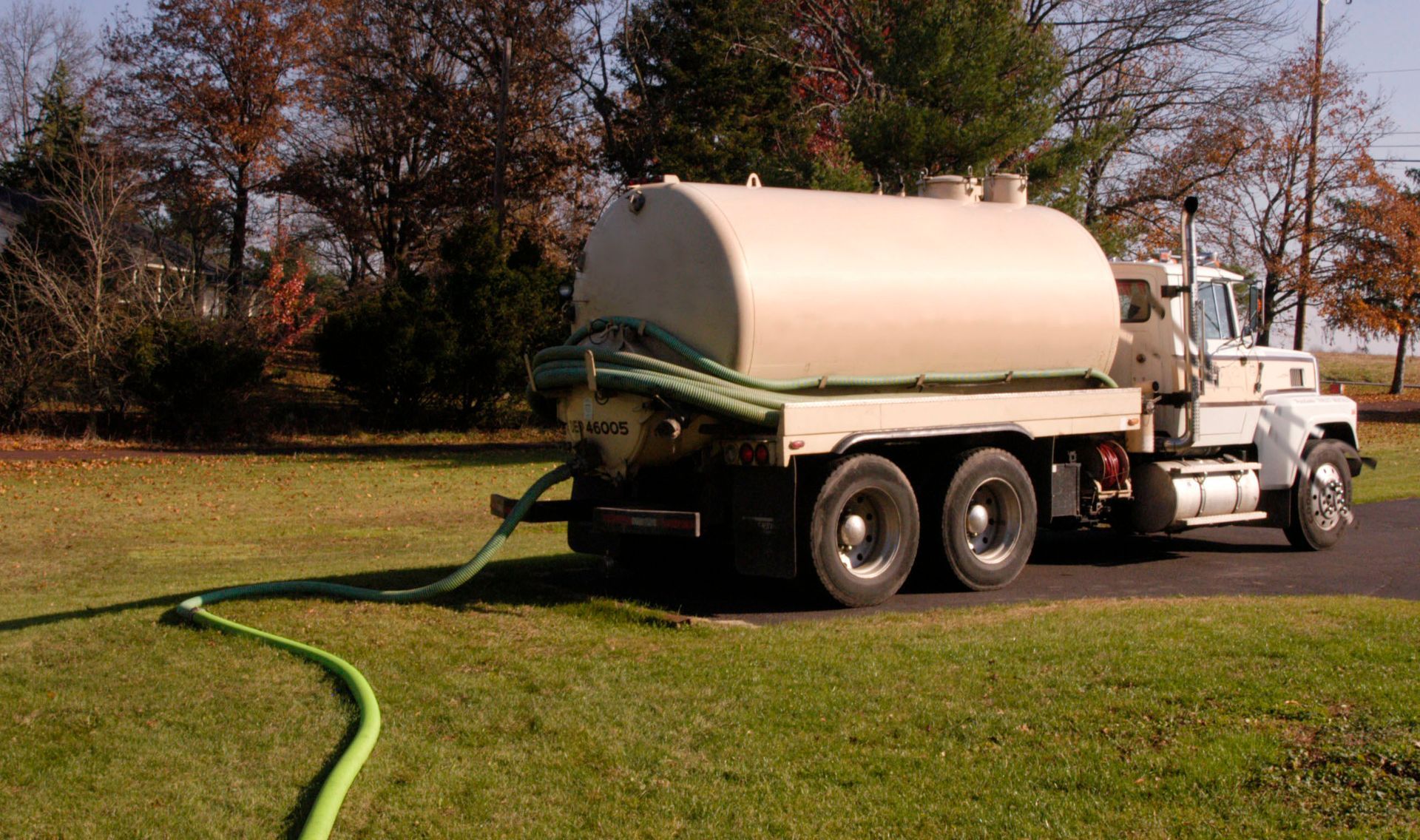
According to BobVila.com, a household of four using a 1,000-gallon septic tank should typically have the system pumped about every 2.6 years. This schedule helps prevent excessive buildup and ensures the system continues operating efficiently. When this timeline is not followed, solids accumulate beyond safe levels and can begin affecting overall system performance. Regular septic pumping is required to remove these materials before they cause major blockages or system failure.
Experiencing Changes in Household Size or Usage Patterns
Changes in household conditions can also influence how quickly a septic tank fills. When more people live in the home or when guests stay for extended periods, daily water usage increases significantly. This added demand places extra pressure on the system and reduces the time available for waste separation.
Even changes in routine, such as increased laundry frequency or more time spent at home, can affect system load. Appliances that use large amounts of water can quickly increase wastewater volume entering the tank. Over time, these changes may cause the system to reach capacity sooner than it did previously. When usage patterns change, septic pumping schedules may need to be adjusted to match increased demand.
Dealing With Aging System Components and Reduced Efficiency
As septic systems age, their components naturally become less efficient. Tank walls may develop buildup, pipes may narrow due to sediment accumulation, and soil absorption in the drain field may decline. These gradual changes often go unnoticed until performance issues begin to appear.
Older systems may struggle to process wastewater as effectively as newer ones, leading to faster fill rates even without significant changes in household behavior. In some cases, reduced efficiency is the result of long-term wear rather than a specific problem. Septic pumping at regular intervals ensures that excess waste is removed before it interferes with normal system function, helping prevent backups and long-term damage.
Understanding the Impact of Excessive Rainfall and Ground Conditions
Environmental conditions can also play a major role in septic system performance. Heavy rainfall or prolonged wet periods can saturate the soil surrounding the drain field, reducing its ability to absorb wastewater. When this happens, liquid remains in the system longer, increasing tank levels more quickly.
High groundwater levels can create similar challenges by limiting the soil’s natural absorption capacity. In these situations, even a properly functioning system may appear to fill faster than normal due to external environmental pressure rather than internal malfunction. Managing surface water around the property and ensuring proper drainage can help reduce these effects and maintain more stable system performance.
Experiencing Structural Issues Within the Tank or Distribution System
Physical damage or wear inside the septic system can also contribute to faster filling. Cracked pipes, damaged baffles, or shifting components can disrupt normal flow and reduce system efficiency. When wastewater does not move through the system as intended, solids may accumulate more quickly inside the tank.
These structural issues often develop gradually due to soil movement, root intrusion, or long-term wear. Because they are not always visible, they can go unnoticed until performance problems become more serious. Early detection through inspection helps prevent further damage and ensures the system continues operating as efficiently as possible.
A septic tank is designed to operate efficiently when all components work together and household usage remains consistent. When that balance is disrupted by increased water use, waste buildup, environmental conditions, or system aging, the tank may begin filling faster than expected. Regular septic pumping ensures that accumulated waste is removed before it creates larger problems, helping maintain long-term system performance and reliability. Contact AAA Sewer Service today to schedule professional septic pumping and keep your system operating efficiently and reliably.