How a Sump Pump Protects Your Home From Flooding
Hibu Websites • June 2, 2026
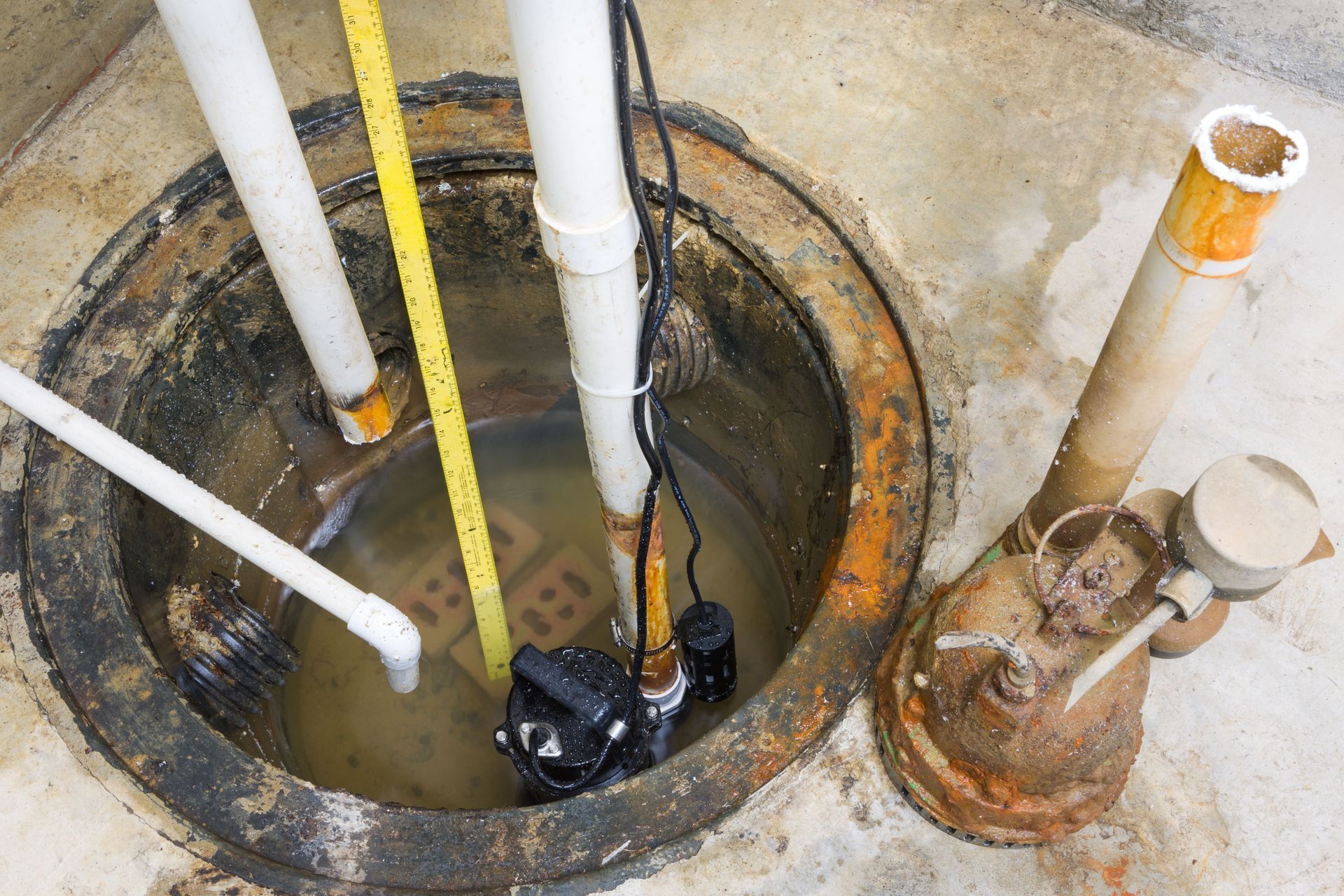
A sump pump is one of the most important safeguards a home can have against basement flooding, crawl space moisture, and foundation water damage. Installed in the lowest part of a basement or crawl space, the system collects excess water in a sump pit and pumps it away from the home before it can rise high enough to cause damage. For homeowners in areas with heavy rain, high groundwater, poor drainage, or older foundations, a properly functioning sump pump can make the difference between a dry lower level and a costly cleanup.
Most sump pumps work automatically. As water flows into the basin, a float switch or pressure sensor detects the rising level. Once the water reaches a set point, the pump turns on and pushes water through a discharge pipe to a safe drainage location away from the foundation. This automatic response is especially important during storms, when water can enter quickly, and homeowners may not realize there is a problem until damage has already started. The provided draft also emphasizes that sump pumps help redirect water away from the home to reduce flood risk and maintain a dry environment.
Comparing Common Sump Pump Types
The two most common sump pump types are submersible and pedestal models. A submersible sump pump sits inside the sump pit, enclosed in a waterproof housing. Because the unit operates below the surface, it is often quieter and less visible than other options. Submersible pumps are a popular choice for finished basements or homes where noise reduction matters. They also tend to handle higher water volumes well, making them useful for properties that experience frequent water intrusion.
A pedestal sump pump has a motor mounted above the sump pit, while the pump component extends down into the basin. Since the motor is easier to access, pedestal pumps are often simpler for a professional to inspect and service. They may be louder than submersible models, but they can be a practical choice in spaces where access matters more than appearance or sound.
According to Fixr, sump pumps can last anywhere from 5 to 30 years, while submersible models can typically last 5 to 15 years, and pedestal types last 15 to 30 years. That wide range is one reason homeowners should pay attention to the type, age, condition, and performance of their current system instead of assuming it will always be ready when needed.
Recognizing When Your Sump Pump Needs Service
Many sump pump problems start small before turning into major failures. A pump that runs constantly, cycles on and off too often, makes grinding or rattling noises, gives off an unusual odor, or struggles to move water should be inspected promptly. These signs can point to a stuck float, worn motor, clogged discharge line, damaged impeller, failing switch, or an undersized unit.
Age is another important factor. Even if a sump pump appears to be working, an older unit may not perform reliably during a major storm. A pump that rarely runs can still deteriorate over time, while a pump in a wet basement may wear out faster because it has to activate more often. Homeowners should also pay attention to the discharge area. If water is being released too close to the foundation, the same water can cycle back into the sump pit, forcing the pump to work harder than necessary.
Professional sump pump repair can address performance issues before they lead to basement flooding. A technician can evaluate the pump, test the switch, inspect the check valve, confirm the discharge line is clear, and determine whether repair or replacement is the better long-term option.
Preventing Basement and Foundation Damage
The biggest benefit of a sump pump is water control. When water collects around a foundation, it can create pressure against basement walls, seep through cracks, and contribute to structural deterioration. Over time, repeated moisture exposure can worsen foundation movement, damage flooring, stain walls, and weaken materials that were never meant to stay wet.
A sump pump reduces that risk by removing water before it rises into the living space. This is especially valuable during periods of heavy rain, rapid snowmelt, or saturated soil. Homes with poor grading, clogged exterior drains, or low-lying lots may depend heavily on the sump pump to manage water that naturally moves toward the foundation.
Moisture control also helps reduce the conditions that allow mold and mildew to grow. A damp basement can create musty odors, damage stored belongings, and affect indoor air quality. By keeping the lower level drier, a sump pump supports a healthier and more usable home environment. For homeowners who use the basement for storage, laundry, recreation, or finished living space, sump pump repair can be especially important when performance starts to decline.
Scheduling Professional Sump Pump Repair
When a sump pump begins showing signs of trouble, timely service is important. Waiting until the next major storm can leave the home vulnerable at the worst possible moment. Professional sump pump repair is designed to identify the cause of the issue, restore dependable operation, and help homeowners understand whether the system still has useful life left.
Some service needs involve relatively straightforward components, such as a faulty float switch, worn check valve, clogged line, or damaged discharge pipe. Other situations may involve the motor, impeller, electrical connection, or basin setup. In some cases, the pump itself may be too old or too weak for the amount of water entering the pit. A professional can explain whether sump pump repair is reasonable or whether replacement would offer better protection.
For homeowners looking for trusted help, AAA Sewer Service can be mentioned as a resource for sump pump repair, inspection, and replacement needs. The right service provider should evaluate the full system, not just the pump, because drainage performance depends on the basin, float, check valve, discharge route, backup power, and installation quality working together.
Choosing Backup Protection for Storms
Because most primary sump pumps rely on electricity, backup protection is worth considering. Storms that bring heavy rain can also cause power outages, leaving an electric pump unable to operate just when it is needed most. A battery backup system helps keep water moving during short outages and can provide extra peace of mind when the weather is unpredictable.
Backup systems are especially useful for homes with finished basements, valuable stored items, frequent groundwater issues, or a history of water intrusion. Some systems also include alarms that alert homeowners when water rises too high or when the backup pump activates. These alerts can help catch problems early before water spreads across the basement floor.
The best backup setup depends on the home, the pump size, the frequency of water intrusion, and the homeowner's risk level. A professional inspection can determine whether the current pump has enough capacity, whether sump pump repair is recommended, and whether the discharge system can handle additional flow during heavy rainfall.
Protecting Your Home with Ongoing Maintenance
A sump pump should not be ignored until water appears in the basement. Regular professional maintenance helps confirm that the system is clean, responsive, and ready for wet weather. During a service visit, a technician can check for debris in the basin, test the float switch, examine the pump housing, verify the check valve, inspect the discharge line, and look for signs of wear or corrosion.
Maintenance is also a good time to review the age of the pump. If the unit is approaching the end of its expected lifespan, replacement before failure may be the safest choice. This is particularly true for homes that have already experienced flooding or rely heavily on the sump pump during storms.
A dependable sump pump protects more than the basement floor. It helps preserve the foundation, reduce moisture problems, protect belongings, and maintain the value of the home. When the system is properly selected, professionally installed, and supported with timely service, homeowners can feel more confident that their property is prepared for the next round of heavy rain.