What’s Clogging Your Drains? The Common Culprits
Hibu Websites • March 11, 2026
Clogged drains are one of the most frustrating and common plumbing problems homeowners face. What starts as a slow-draining sink or shower can quickly escalate into backups, unpleasant odors, and even water damage if left unresolved. While many people reach for quick DIY fixes, understanding what actually causes clogs is the first step toward preventing bigger issues.
By recognizing the most frequent drain blockers and learning how professionals respond, homeowners can make smarter maintenance decisions. This guide explores the typical causes of clogs, how drain cleaning contractors resolve them, when it’s time to call in help, and what you can do to keep your plumbing system flowing smoothly.
What Are the Most Common Causes of Drain Clogs?
Most drain blockages don’t happen overnight. They typically develop gradually as everyday materials accumulate inside pipes. Knowing what commonly causes problems can help you avoid expensive repairs and unnecessary stress.
Hair is one of the leading culprits, especially in bathroom drains. When hair washes down the shower or sink, it tends to bind with soap residue and other debris, forming stubborn clumps that restrict water flow. Over time, these tangles grow larger and can completely obstruct the pipe.
Soap scum is another frequent offender. Traditional bar soaps contain fats that react with minerals in water, creating a sticky residue that clings to pipe walls. As this layer thickens, it traps additional debris and narrows the passageway, eventually leading to slow drainage or full blockages.
In the kitchen, food particles often cause trouble. Even homes with garbage disposals can experience buildup when fibrous foods, coffee grounds, rice, or pasta go down the drain. These materials can swell or stick inside pipes, especially when combined with grease.
Grease and cooking oils are particularly problematic. While they may seem harmless when hot and liquid, they solidify as they cool inside plumbing lines. This hardened grease coats pipe interiors and catches other debris, creating stubborn clogs that frequently require professional attention from drain cleaning contractors.
Foreign objects also play a role. Items like paper towels, wipes labeled as “flushable,” cotton swabs, and small toys can become lodged in pipes. Unlike toilet paper, these materials do not break down easily and often lead to serious obstructions.
How Do Drain Cleaning Contractors Address Clogged Drains?
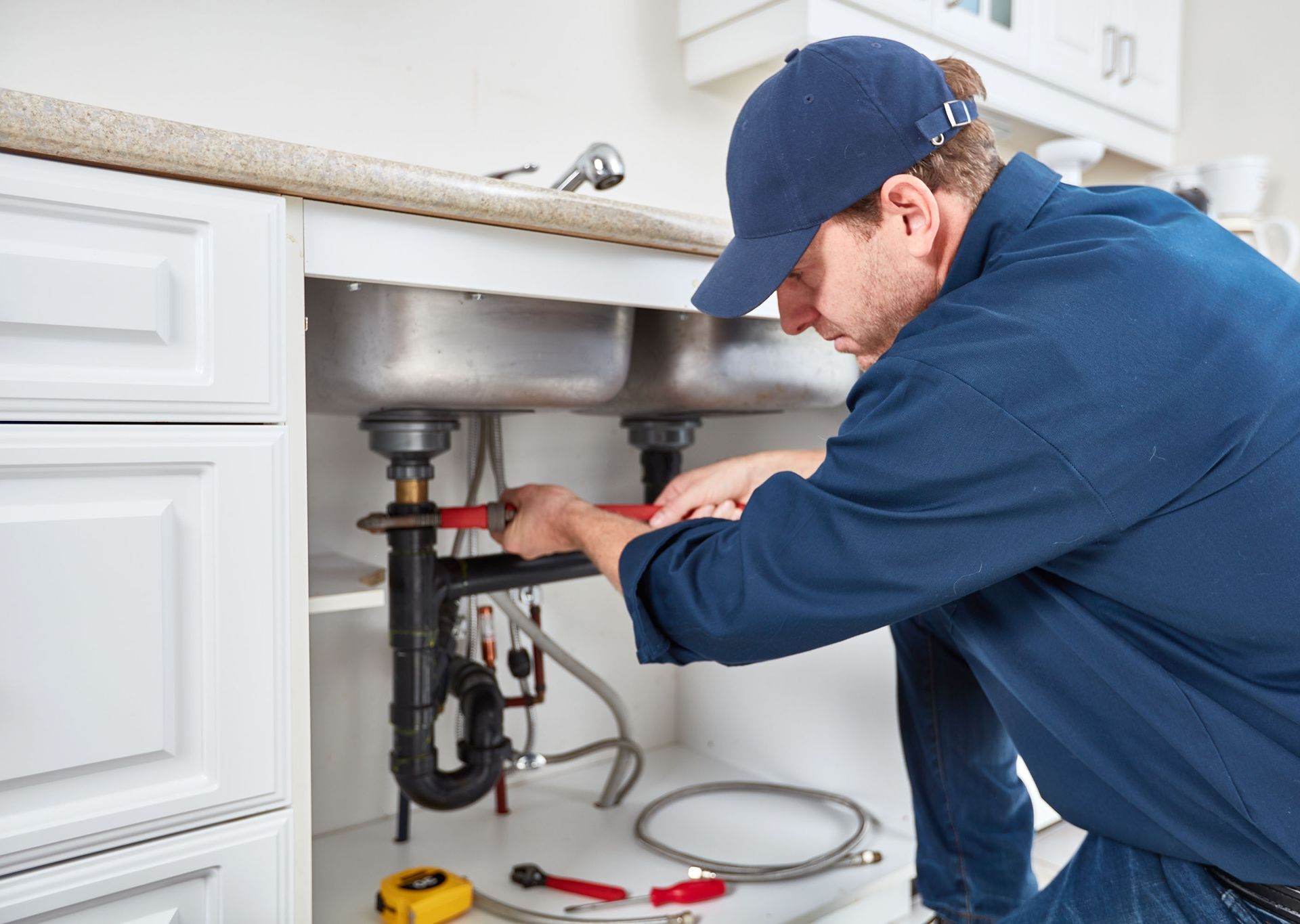
When home remedies fail, professional drain cleaning contractors have specialized tools and techniques designed to clear even the most stubborn blockages. Their approach typically begins with diagnosing the exact location and nature of the clog.
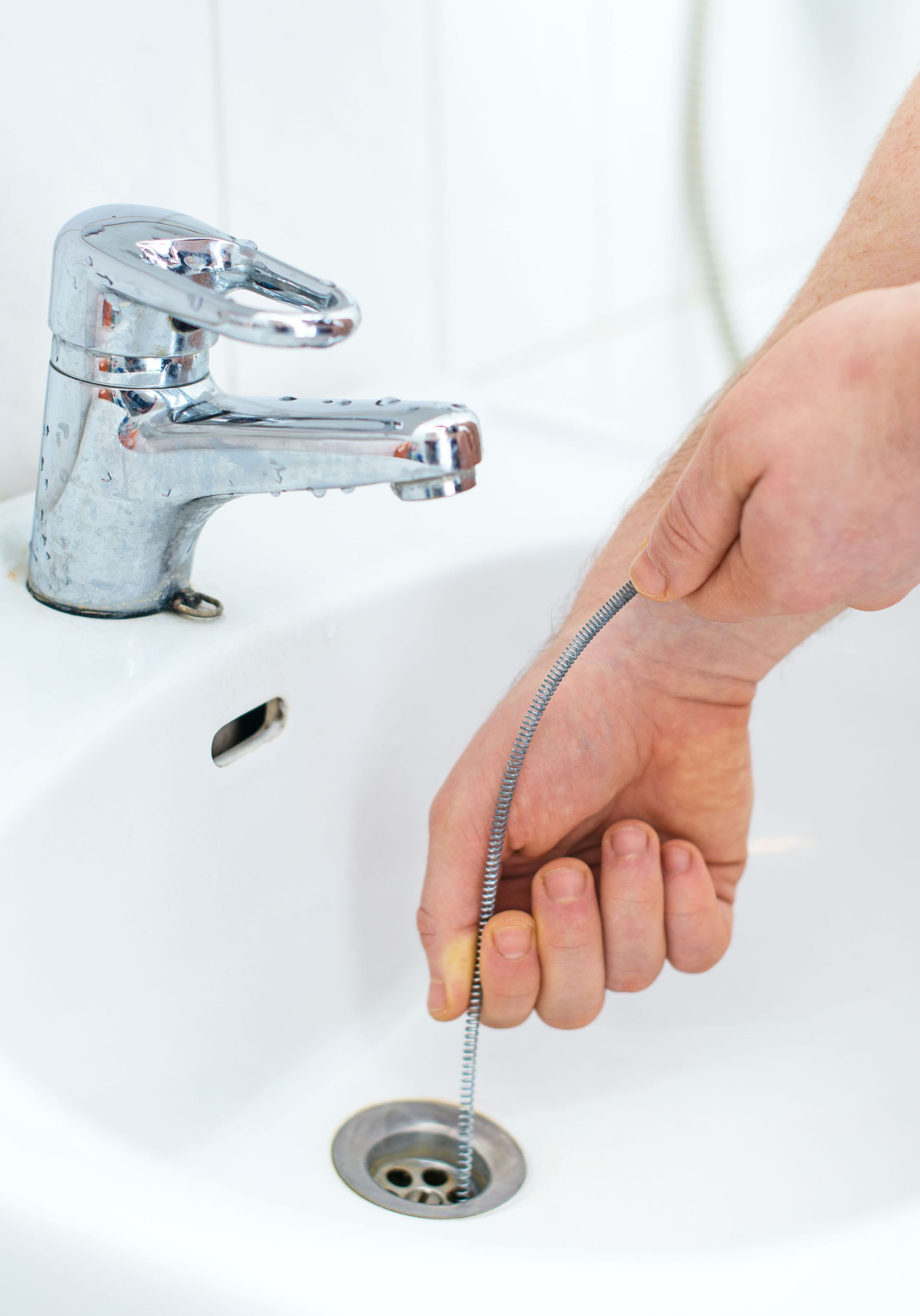
One of the most widely used methods is drain snaking, also known as augering. This involves inserting a flexible metal cable into the pipe to break apart or retrieve the obstruction. Snaking is particularly effective for hair clogs and localized blockages near the fixture.
For more severe buildup, many drain cleaning contractors turn to hydro jetting. This powerful process uses high-pressure water streams to blast away grease, mineral deposits, and accumulated debris from pipe walls. Hydro jetting not only removes the clog but also thoroughly cleans the interior of the plumbing system, helping prevent future problems.
In some cases, professionals may use specialized chemical treatments. Unlike many over-the-counter products, contractor-grade solutions are selected carefully based on pipe material and clog composition. Experienced technicians know when chemical cleaning is appropriate and when mechanical methods are safer.
Video camera inspections are another valuable tool in the professional toolkit. By feeding a small waterproof camera into the drain line, drain cleaning contractors can visually identify blockages, pipe damage, root intrusion, or buildup deep within the system. This targeted approach prevents guesswork and ensures the right solution is applied.
When Should You Call a Professional Drain Cleaning Contractor?
While minor clogs can sometimes be handled with a plunger or basic drain cleaner, certain warning signs indicate it’s time to contact drain cleaning contractors. Recognizing these early can save you from costly repairs later.
Persistent slow drains are often the first red flag. If water continues to drain sluggishly despite your efforts, the blockage may be deeper in the line than household tools can reach. Ignoring the problem usually allows the clog to worsen.
Frequent recurring clogs also signal a bigger issue. If the same sink, tub, or toilet keeps backing up, there may be buildup in the main line or a structural problem within the plumbing system. Professional evaluation is the safest course of action.
Unpleasant odors coming from drains should never be overlooked. Foul smells often indicate trapped organic matter or sewage issues inside the pipes. Drain cleaning contractors can locate the source and eliminate it before it becomes a health concern.
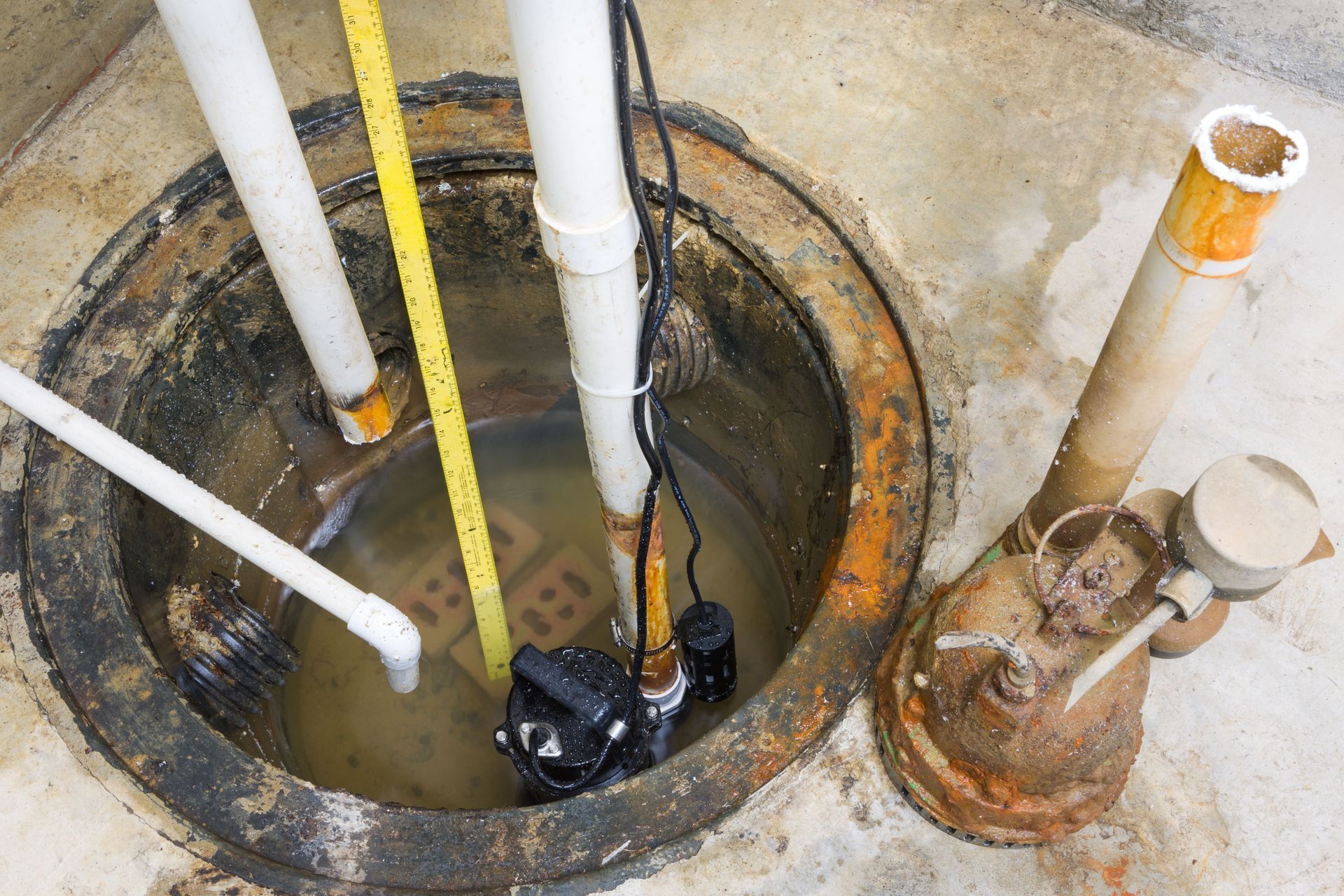
Multiple fixtures backing up at once is a serious warning sign. For example, if flushing the toilet causes water to rise in the shower or sink, the main sewer line may be partially blocked. This situation typically requires immediate professional attention.
What Preventive Measures Can Reduce the Need for Drain Cleaning?
Prevention is always more affordable and convenient than emergency repairs. With a few consistent habits, homeowners can significantly reduce their reliance on drain cleaning contractors.
Start by being mindful of what goes down the drain. In the kitchen, avoid pouring grease, oil, or fat into the sink. Instead, allow these substances to cool and dispose of them in the trash. Using sink strainers can also help catch food scraps before they enter the plumbing system.
In bathrooms, installing hair catchers in showers and tubs is one of the simplest and most effective preventive measures. Regularly cleaning these devices prevents buildup from forming inside the pipes.
Routine hot water flushing can also help. Running hot water for a minute after using the sink may help dissolve minor soap and grease residue before it accumulates. While not a cure-all, it supports overall pipe health.
Homeowners should also avoid relying heavily on harsh chemical drain cleaners. Frequent use can damage certain pipe materials and may only provide temporary relief. Many drain cleaning contractors recommend mechanical or enzymatic solutions for safer maintenance.
Scheduling periodic professional maintenance is another smart strategy. Preventive inspections and cleanings allow drain cleaning contractors to remove buildup before it becomes a full blockage. This proactive approach is especially helpful in older homes or properties with heavy usage.
How Much Does Hiring a Drain Cleaning Contractor Typically Cost?
The cost of professional service varies depending on several factors, including the severity of the clog, its location, and the method required to remove it. Simple sink blockages near the fixture typically cost less than deep main-line obstructions that require specialized equipment.
According to Modernize.com, professional drain cleaning costs $100 to $500 or more, depending on the severity and location of the blockage. Basic snaking jobs usually fall on the lower end of that range, while hydro jetting or main sewer line work tends to be more expensive.
Accessibility also plays a role in pricing. If technicians must remove fixtures, access crawl spaces, or work through difficult pipe layouts, labor costs may increase. Emergency or after-hours service from drain cleaning contractors can also carry premium rates.
While DIY solutions may seem cheaper initially, improper attempts can sometimes worsen the problem or damage pipes. In many cases, hiring experienced drain cleaning contractors early can prevent more costly repairs down the road.
Homeowners should request clear estimates and understand what services are included. Many reputable companies provide upfront pricing and diagnostic inspections to help customers make informed decisions.
Keeping drains clear is essential for protecting your home’s plumbing system and avoiding messy, expensive problems. By understanding the most common clog causes and recognizing early warning signs, homeowners can take smart preventive steps. When issues go beyond basic fixes, experienced drain cleaning contractors provide the tools and expertise needed to restore proper flow and keep your plumbing running smoothly for the long term. If you're looking for a reputable plumber, reach out to the professionals at AAA Sewer Service today!