Main Line Cleaning vs. Single Drain Clog: How to Spot the Difference Before It Floods
November 7, 2026
Nobody likes hearing strange bubbling noises from the bathroom or watching dirty water swirl slowly in the kitchen sink. Plumbing troubles pop up in every lively household sooner or later. Knowing whether you face a small localized hiccup or a bigger underground issue keeps your home dry, safe, and happy every day.
Checking How Many Drains Are Acting Up
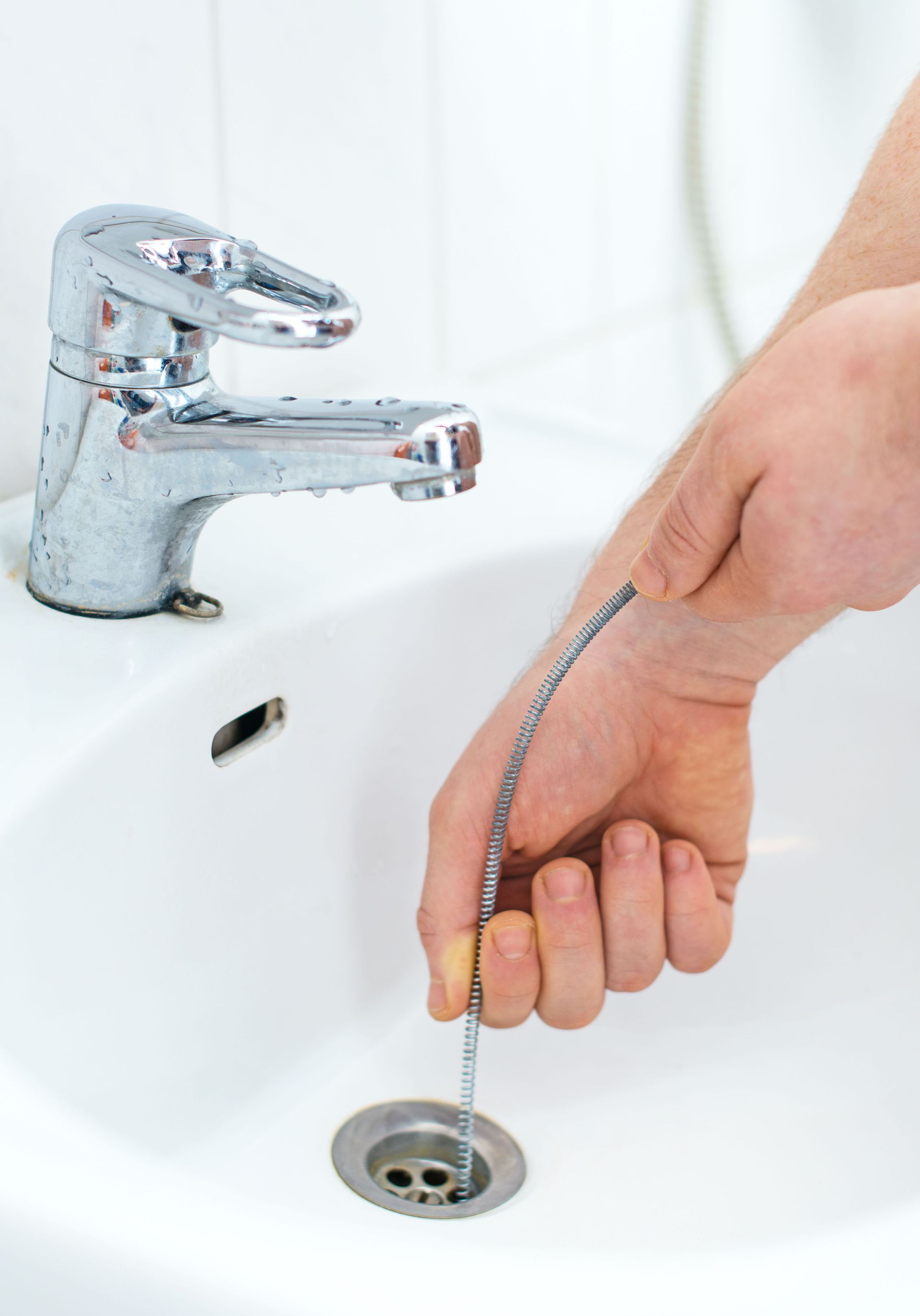
When trouble starts inside your plumbing, the first helpful clue is looking at how many fixtures are misbehaving at the same moment. If only your upstairs guest sink refuses to drain after morning tooth brushing, the trouble is almost certainly right there in that small curved pipe. Hair and soap scum love to build up close to the surface, and that single spot takes the brunt of the daily routine. The rest of the house keeps running normally while that one bowl sits full.
On the other hand, things look quite different when multiple fixtures throughout your house begin stalling together. When running the kitchen sink causes water to rise inside the downstairs utility tub, your wastewater system is signaling a much bigger conversation. A widespread slowdown across several rooms means incoming water cannot find a path out to the street. In that situation, scheduled main line cleaning clears the primary underground path so every fixture empties out freely without stubborn delays. Clearing out that central artery gets your whole house back to normal quickly and smoothly.
Pay special attention to the lowest level of your property, such as a finished basement or a first floor laundry area. Because water obeys gravity, the lowest drains always show distress signals before anything happens on upper levels. Seeing sluggish drainage in two or three separate rooms at the same time is your clear sign that a shared underground channel is struggling to move daily household water away.
Listening for Strange Gurgling and Bubbling Sounds
Your home pipes normally work in total silence, quietly carrying away water with nothing more than a quick swoosh. When air gets trapped behind standing water, however, those pipes start trying to speak to you. A single blocked sink might make a faint sucking noise right as the last few drops vanish down the opening, which simply points to a tiny blockage right below the metal strainer.
When the deeper underground pipe gets blocked, trapped air has nowhere to escape except upward through other connected household fixtures. You might wash a load of laundry and suddenly hear the guest toilet start bubbling, chuckling, or sputtering across the hall. That happens because outgoing water displaces trapped air, forcing air bubbles up through toilet bowls. Arranging timely main line cleaning removes the deep obstruction, allowing air and water to flow along their intended paths without bizarre noises. Restoring open ventilation down below keeps every fixture quiet and pleasant during heavy morning use.
Unusual sounds can also travel through the floor grates in a utility room or shower basin. If flushing a toilet creates a loud hiccup inside your walk-in shower, the whole drainage network is struggling to breathe. Paying attention to these odd acoustic warnings gives you a wonderful chance to solve hidden problems before messy water actually spills out onto your beautiful bathroom rugs.
Watching for Water Appearing in Surprising Places
One of the clearest differences between a local blockage and a primary pipe failure is where displaced water decides to show up. With an isolated issue, running water only backs up inside the exact basin you are using. Turn off the faucet, and the rising water stops immediately without affecting the toilet or adjacent shower stalls in the slightest.
Deep structural obstructions create unexpected crossovers that can catch any homeowner off guard. For example, running your kitchen disposal might cause greasy water to rise directly inside an adjacent hallway shower floor. When the underground channel cannot accept water, every gallon you send down an upper drain searches for the nearest low exit. Scheduling professional main line cleaning opens up the buried pipe, stopping wastewater from making unwelcome appearances in nearby tubs. Freeing that shared corridor redirects dirty liquid right out of the building where it belongs.
According to the U.S. EPA, the natural buildup in a drain field can thicken and cause wastewater to surface in the yard or back up into the home once it reaches an age of 25 to 30 years. When aging pipes or outside factors slow down the flow, indoor fixtures take the hit first. Recognizing that cross-fixture water movement is abnormal lets you take action before water climbs over the edge of the tub.
Sniffing for Sour and Unpleasant Smells
A clean, fresh-smelling home brings comfort to your whole family, which is why foul scents stand out right away. A simple sink clog often smells faintly of old toothpaste, leftover food bits, or stale soap trapped near the top opening. While annoying, that smell stays confined to one small corner of the counter and fades once that single drain gets rinsed out.
Deep sewer line troubles create a much stronger and more pervasive odor that travels between different rooms. When wastewater sits stagnant deep under your foundation, bad sewer gases begin pushing through dry traps and loose floor seals. Extensive main line cleaning flushes away decaying organic matter, restoring clean air throughout the property and keeping living spaces smelling delightful all year long. Getting rid of that hidden buildup stops odors from spoiling your indoor air quality when you want to relax.
You might also catch a whiff of damp, swampy odors outside around your lawn or along your foundation walls. If underground pipes are backing up, moisture can weep into the surrounding soil and create smelly soft spots near the grass. Keeping an eye and a nose on your front yard helps you spot underground flow trouble long before indoor living areas feel the messy effects.
Reacting Before Serious Flooding Starts Happening
Handling plumbing hiccups early keeps small inconveniences from turning into expensive, messy cleanup projects. When a single sink acts sluggish, you generally have plenty of time to address it without placing the rest of your household on standby. Family members can still take hot showers, run the dishwasher, and wash dinner dishes while that one fixture rests.
When the entire system backs up, ignoring the warning signs invites immediate indoor flooding. Every cycle of the washing machine dumps dozens of gallons of water into the system, and that water must go somewhere if the street exit is blocked. Bringing in experts for main line cleaning clears away roots, heavy buildup, and debris, giving you lasting peace of mind every time you start a heavy wash cycle. Removing dense blockages restores full carrying capacity, so your home can handle heavy laundry days with zero stress.
Taking quick action protects your finished flooring, drywall, and cherished family belongings from water damage. When multiple drains slow down, or toilets start gurgling, pausing major water use keeps your basement dry and cozy. Proactive main line cleaning safeguards your investment, supports smooth daily routines, and keeps your household plumbing humming along without any nasty surprises.
Taking care of your home is an ongoing adventure, and learning to read your plumbing system is a huge win for any property owner. Catching subtle signs early saves your weekend, protects your living spaces, and keeps family life running smoothly. Scheduling professional main line cleaning whenever warning signs appear keeps your drainage network flowing perfectly before minor clogs turn into major messes. Contact AAA Sewer Service and enjoy the comfort of a fresh, clean house every single day.